

How to contribute to recycling from home
Did you know that your small daily actions can make a big difference when it comes to caring for the planet? If you’re still wondering how your family can contribute to a more sustainable world, this article is for you.
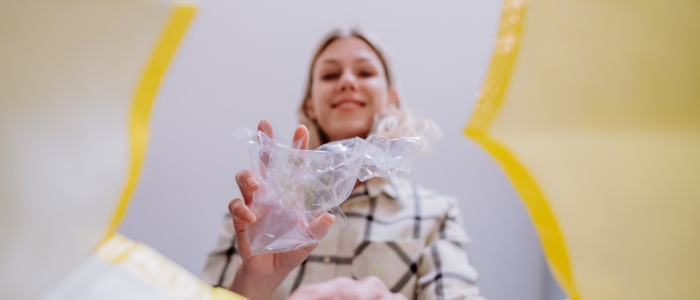
Today you’ll discover simple yet very effective practices that you can implement at home to encourage family sustainability.
Why recycling is key to sustainability
Recycling isn’t just about separating plastics or cardboard. It’s a concrete action that helps reduce pollution, save natural resources and combat climate change. Involving the whole family in this practice benefits the planet and it also strengthens family wellbeing by working together towards a common goal.
Getting started: organising your home
1. Create recycling stations at home
One of the first steps is to designate a specific space to separate waste. You don’t need major investment, you can reuse boxes or bins you already have at home. Make sure you have containers for:
- Paper and cardboard.
- Plastic packaging.
- Glass.
- Organic waste.
- Non-recyclable waste.
Add clear labels and, if you have kids, make them fun with drawings or colours. They’ll be more motivated to join in!
2. Learn your local recycling rules
Each place has specific rules about what can be recycled and how. Check your local information to avoid common mistakes, such as mixing dirty materials with recyclables.
3. Reduce before you recycle
Remember that sustainability isn’t only about recycling. The 3Rs rule (Reduce, Reuse, Recycle) start with trying to generate less waste. For example:
- Buy in bulk to avoid unnecessary packaging.
- Choose reusable bottles instead of single-use plastic.
- Avoid printing documents unless essential.
Sustainability education: involving the whole family
Sustainable habits for children
Childhood is a key stage for absorbing knowledge. If you teach the value of recycling early, they’ll internalise it as part of daily life. Practical ideas include:
- Educational games: run competitions to see who separates waste correctly and/or use board games to encourage learning (check out the Health Shapers game).
- Crafts: use recycled materials to create toys or decorations.
- Inspiring stories: read them books or show them videos about the importance of caring for the environment.
Family activities
Recycling can also be a chance to spend quality time together. For example:
- Visit a local recycling centre to learn how they work.
- Organise “clean-up days” at home to donate, recycle or reuse items you don’t use.
- Cook together using fresh ingredients and compost organic waste.
Solutions for hard-to-recycle waste
Some materials aren’t so easy to handle, such as batteries, appliances or old clothes. These tips can help:
- Batteries: take them to local recycling facilities or shops that collect them.
- Appliances: look for brand programmes or specialist stores that recycle them.
- Clothing: donate to charities or reuse as cleaning cloths.
The emotional benefits of recycling as a family
Beyond helping the environment, recycling strengthens bonds at home. Working together towards a shared goal fosters values such as responsibility, teamwork and empathy. These values are the foundation of good family wellbeing, helping to build stronger, more harmonious relationships.
Small steps, big changes
You don’t need to be perfect to make a difference. Every small gesture counts. From separating waste to teaching your children about sustainability, these actions have a positive impact on the planet and also benefit your home. Why not start today? After all, change begins at home.
Other articles you might find interesting
Protect your home: tips for home security
Published in Corporate Social Responsibility